September 11, 2026
As urban areas expand, encounters between humans and wildlife have become increasingly common across suburban and metropolitan communities. Understanding when to seek professional help ensures the protection of both human health and local ecosystems. Recognizing early warning signs allows homeowners to address pest issues before minor disruptions escalate into hazardous situations.
Identifying Disruptive Invasive Species
Local ecosystems rely on delicate balances that non-native wildlife species can easily disrupt over short periods. Invasive animals often compete with indigenous wildlife for limited food supplies and shelter, displacing beneficial native species. Educating property owners about local species dynamics helps identify potential threats before structural damage or ecological degradation occurs.
Evaluating Economic Environmental Costs
Invasive animals typically exhibit rapid reproduction rates, high adaptability, and few natural predators in their new environments. These traits allow non-native species to outcompete local wildlife and alter delicate food chains rapidly. According to Maine.gov, invasive species are estimated to cost the United States $120 billion each year, impacting over 100 million acres.
Understanding Local Environmental Impacts
Invasive creatures significantly alter natural habitats by reducing biodiversity and disrupting soil or water nutrients. When non-native species establish dominance, indigenous plant and animal communities suffer long-term consequences. Recognizing these ecological threats emphasizes the necessity of early detection and professional intervention.
Navigating Legal Removal Regulations
Managing non-native wildlife is governed by a complex set of local, state, and federal environmental laws. Regulations dictate specific procedures for handling wildlife to protect broader ecosystems and human safety. Professional animal removals ensure full compliance with regional wildlife legislation, avoiding legal penalties for property owners.
Reviewing Successful Environmental Interventions
Numerous case studies demonstrate the environmental recovery that occurs after invasive species are systematically removed. Controlled removal efforts allow native flora and fauna to regain natural population balances over time. Swift, informed intervention remains the most effective strategy for preserving local ecological integrity.
Mitigating Zoonotic Health Threats
Wild animals can transmit severe zoonotic diseases directly to humans and household pets through bites or droppings. Illnesses such as rabies, Lyme disease, and salmonellosis pose significant risks when wild creatures nest near living spaces. Professional wildlife handlers safely manage infected animals, minimizing disease exposure for nearby residents.
Managing Physical Animal Aggression
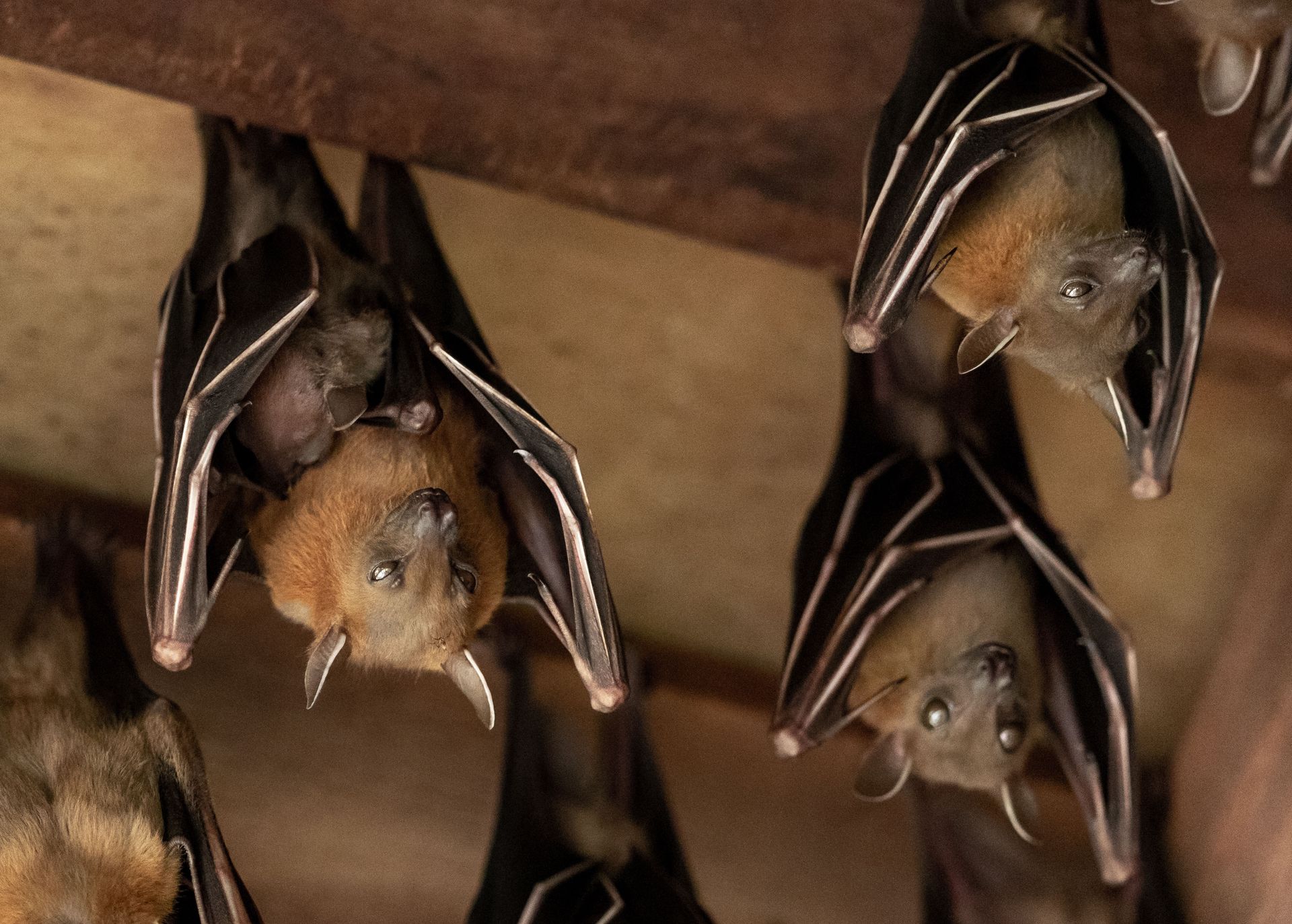
Wild animals often display extreme aggression when threatened, sick, or protecting their young in residential areas. Raccoons, skunks, and bats can inflict serious physical injuries if cornered by untrained homeowners. Promptly scheduling professional animal removals protects human safety while ensuring creatures are handled properly.
Preventing Severe Structural Damage
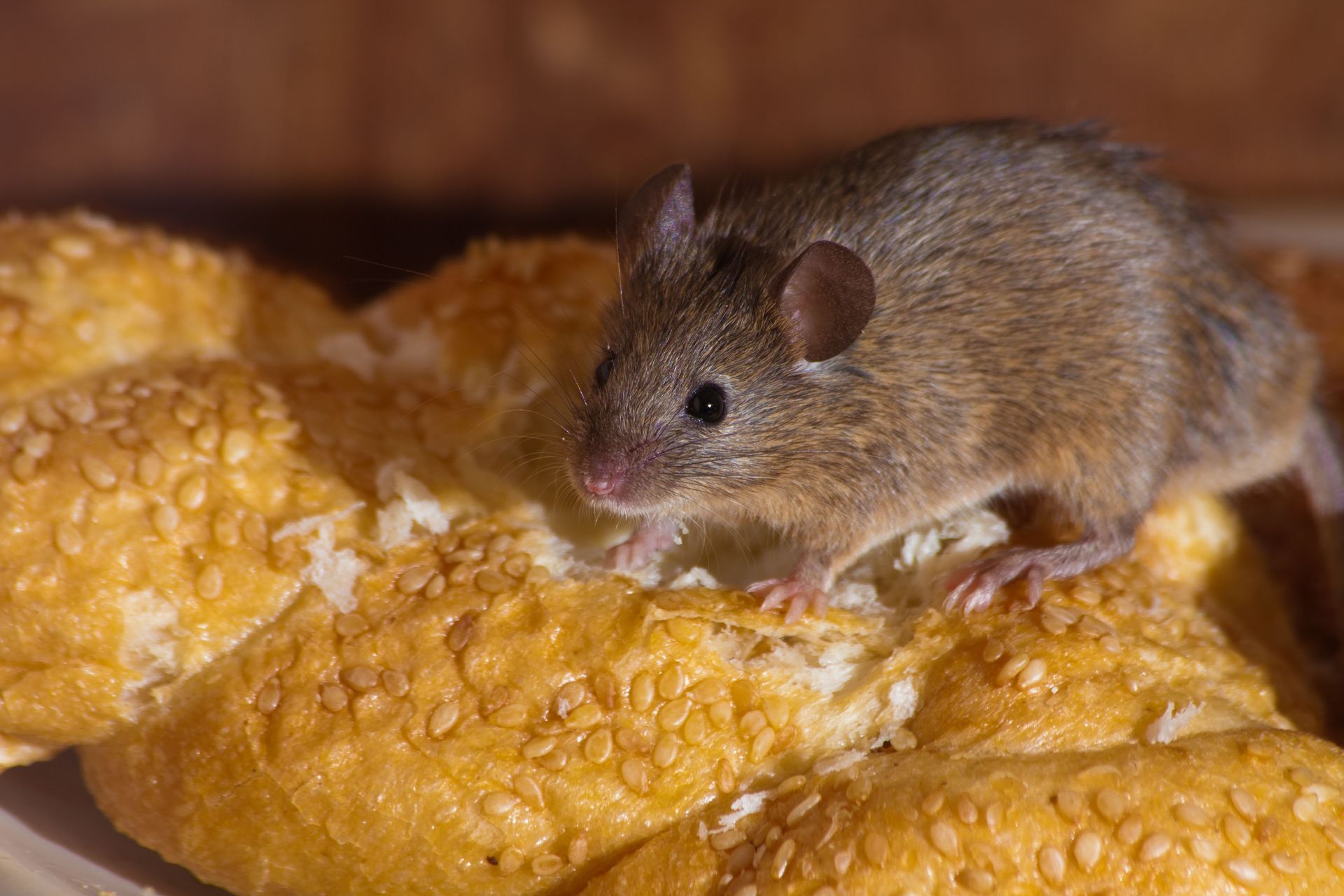
Unwanted wildlife can cause extensive damage to residential roofs, attics, insulation, and electrical wiring. Rodents and raccoons frequently chew through building materials, creating significant fire hazards and costly structural repairs. Early identification of wildlife activity allows homeowners to secure their properties before damage escalates.
Recognizing Wildlife Infestation Indicators
Common indicators of nesting wildlife include unusual scratching sounds in walls, scattered droppings, and chewed building materials. Homeowners may also notice foul odors, unexplainable lawn damage, or visible nesting debris in attics and crawlspaces. Identifying these signs early prevents minor infestations from becoming severe structural problems.
Implementing Home Prevention Measures
Preventative strategies such as sealing exterior entry points and maintaining clean yards discourage wildlife from entering human habitats. Securing outdoor trash receptacles and removing standing water sources reduces the key attractants that lure wild creatures. Community-wide preventative habits further minimize wildlife conflicts across whole neighborhoods.
Prioritizing Humane Wildlife Interventions
Handling wildlife humanely preserves animal welfare while addressing urgent human safety and property concerns. Ethical standards guide professional control methods to minimize unnecessary stress and physical harm to trapped animals. Utilizing non-lethal, humane techniques aligns with modern wildlife conservation goals and public values.
Employing Ethical Removal Practices
Ethical wildlife management prioritizes non-lethal methods such as live trapping, physical exclusion, and habitat modification. Specialized technicians use proper protective gear and professional equipment to ensure animals are relocated safely. Utilizing humane animal removals maintains community trust while delivering reliable, long-term property protection.
Balancing Human Safety and Ecosystems
Striking a balance between ecosystem health and human safety remains fundamental to modern wildlife management strategies. Conservation guidelines protect local biodiversity while addressing the practical security needs of residential communities. Integrated approaches combining physical exclusion, education, and legal guidelines yield sustainable outcomes for all stakeholders.
Partnering with Conservation Organizations
Collaborations between wildlife specialists and local conservation groups enrich broader efforts to protect regional biodiversity. Environmental organizations provide insights into best practices for ethical species handling and habitat preservation. These professional partnerships foster innovative solutions that safeguard both human properties and wild animal populations.
Complying with Regulatory Removal Standards
Strict regulatory guidelines govern wildlife handling to ensure ethical treatment, operator safety, and public health protection. Permitting requirements mandate specific training, equipment standards, and release protocols for licensed operators. Full compliance with state standards guarantees that property interventions remain safe, legal, and effective.
Identifying Common Urban Species
Raccoons, squirrels, opossums, and pigeons have adapted remarkably well to human suburban environments. Cities and residential neighborhoods offer these creatures abundant food, water, and artificial nesting structures. Familiarity with common urban species helps homeowners recognize normal wildlife behavior versus dangerous nesting activity.
Eliminating Urban Wildlife Attractants
Unsecured garbage cans, outdoor pet food, and bird feeders act as powerful attractants for foraging wild animals. Artificial structures like raised decks, sheds, and unsealed attics provide ideal shelter for nesting mothers. Reducing these attractants through proper waste management discourages animals from establishing territory near homes.
Overcoming Urban Control Challenges
Managing wildlife in densely populated urban settings presents unique logistical and safety challenges compared to rural areas. High population density increases human-wildlife conflicts while limiting the use of traditional control methods. Addressing these challenges requires specialized exclusion techniques tailored to residential building architecture.
Tracking Seasonal Activity Shifts
Wildlife behavior changes dramatically across seasons, influencing breeding, foraging, and hibernation movements. Spring and summer see increased animal activity as parents search for food and secure warm nesting sites. Understanding seasonal patterns helps property owners schedule preventative maintenance before peak breeding periods begin.
Understanding Regional Activity Variations
Regional climates, local terrain, and urban density dictate which specific wildlife species pose threats to area homes. Desert, coastal, and heavily forested environments each present distinct wildlife control challenges. Consulting local experts ensures management strategies are tailored specifically to regional animal behaviors.
Evaluating Incident Severity Correctly
Determining the severity of a wildlife issue involves assessing risks to human health, property damage, and animal welfare. Minor outdoor sightings require simple deterrents, whereas animals inside living spaces demand immediate professional attention. Expert evaluations help homeowners choose the most appropriate, cost-effective course of action.
Comparing DIY and Professional Care
While simple deterrents handle minor yard pests, complex structural infestations require specialized professional equipment. Attempting do-it-yourself removals with aggressive animals often leads to severe injuries, property damage, or illegal handling. Professional animal removals guarantee lawful, thorough, and safe management of dangerous wildlife.
Executing Essential Aftercare Services
Effective wildlife management extends beyond trapping, requiring structural repairs and decontamination of affected spaces. Technicians seal all entry points with heavy-gauge steel mesh to prevent future animal re-entry permanently. Comprehensive aftercare ensures long-lasting home protection and restores healthy indoor air quality.
Recognizing when professional intervention is necessary protects your property, safeguards human health, and ensures the humane treatment of local wildlife. Proactive home maintenance and timely expert care prevent minor animal encounters from escalating into severe structural damage or health hazards. For safe, humane, and comprehensive wildlife solutions tailored to your home, trust the certified team at Stateline Animal Control Inc.