July 13, 2026
Wildlife is a beautiful part of nature, but things get tricky when wild critters decide to move into our homes. Beyond the noise and structural damage, these uninvited guests can bring some pretty serious health risks along with them. Understanding these hazards is the first step toward keeping your home safe. Learning about these risks helps you make smart choices for your household.
Recognizing the Dangers of Raccoon Roundworms
Raccoons are famous for their masked faces and clever paws, but they also carry a hidden danger known as raccoon roundworm. This parasite lives in the intestines of raccoons and produces millions of microscopic eggs that are passed in their droppings. When these eggs end up in your attic or crawl space, they can survive in the soil or dust for years, waiting to be accidentally inhaled or swallowed by humans or pets. These hardy eggs can withstand freezing temperatures and dry conditions without losing their ability to infect.
If someone accidentally ingests these invisible eggs, the larvae hatch and migrate through the body, affecting the central nervous system, eyes, and brain. The symptoms can range from nausea and fatigue to severe neurological issues. Because the eggs are so resilient, cleaning up a raccoon nesting site without the proper protective gear and training can put your whole family at risk. This is why standard household cleaning methods are usually not enough to handle the problem safely.
To eliminate this hazard, professional wildlife removals are necessary to safely extract the animals and clear out the contaminated materials. Experts know how to handle the hazards without spreading the dangerous eggs into your home’s air vents. Investing in professional cleanup stops the parasite from becoming a long-term threat to your household. Their specialized equipment makes a massive difference in keeping the rest of your living space completely clean.
Managing the Severe Risks of Rabies
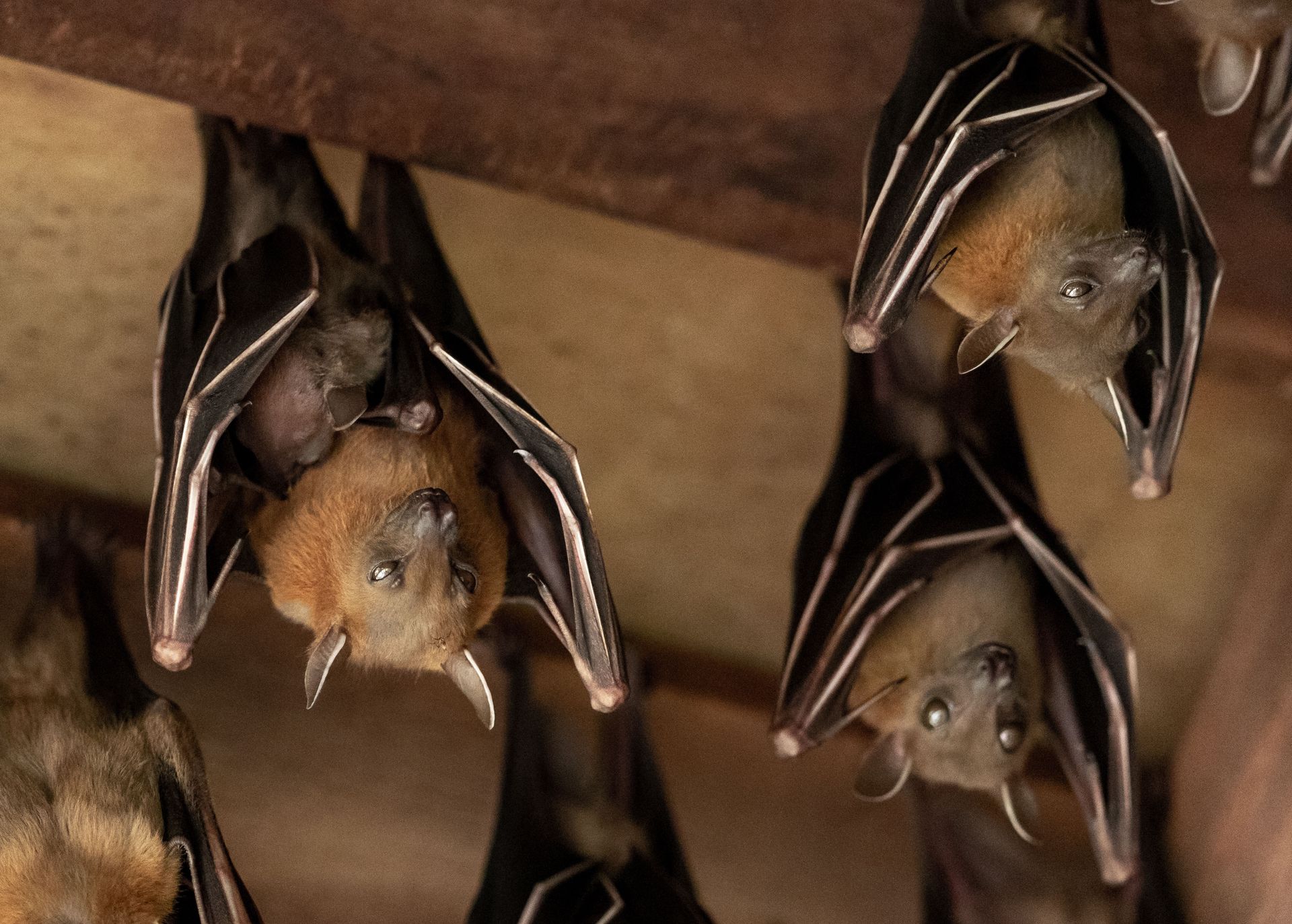
Rabies is perhaps the most well-known disease associated with wild animals like bats, raccoons, skunks, and foxes. This viral disease attacks the central nervous system of mammals and is almost always fatal once symptoms appear. It is usually transmitted through the bite or scratch of an infected animal, meaning any close encounter with a misplaced critter carries a major safety risk. Even a tiny scratch from a bat can be enough to transmit the virus without you noticing.
When a wild animal establishes a nest inside a home, the chances of an accidental encounter skyrocket. A homeowner might accidentally corner a scared animal in a dark basement, or a curious pet might try to play with a sick bat on the floor. These situations create high-stress environments where animals are highly likely to bite or scratch in self-defense. Animals that feel trapped will often strike out much more aggressively than they would outdoors.
Securing prompt wildlife removals helps keep this deadly virus far away from your loved ones. Professional handlers possess the specific tools and experience required to capture potentially rabid animals without sustaining injuries. Resolving the issue quickly minimizes the odds of a terrifying medical emergency. Prompt action removes the threat before a dangerous encounter can even happen.
Avoiding the Respiratory Threats of Histoplasmosis
Birds and bats can unintentionally bring a severe respiratory disease called histoplasmosis into your living space. This ailment is caused by a fungus that thrives in soil and organic matter enriched by droppings, particularly from bats and pigeons. When large amounts of guano accumulate in attics or behind walls, the fungus grows rapidly, turning the area into a hazard zone. This fungal growth can easily go unnoticed for months behind your drywall.
As the droppings dry out over time, they become brittle and easily crumble into a fine airborne dust. Simply walking into an attic to move old boxes can disturb these deposits, sending thousands of microscopic fungal spores into the air you breathe. Once inhaled, these spores cause lung infections that mimic the flu, leading to fever, chronic cough, and severe fatigue. For individuals with weaker immune systems, this respiratory infection can become incredibly serious.
Utilizing expert wildlife removals prevents these hazardous fungal colonies from developing inside your home in the first place. Technicians remove the source of the droppings and implement special sanitizing protocols to neutralize the area. This meticulous process keeps your indoor air clean and safeguards your respiratory health. Taking care of the root cause stops the microscopic spores from traveling into your main living quarters.
Controlling the Sneaky Spread of Leptospirosis
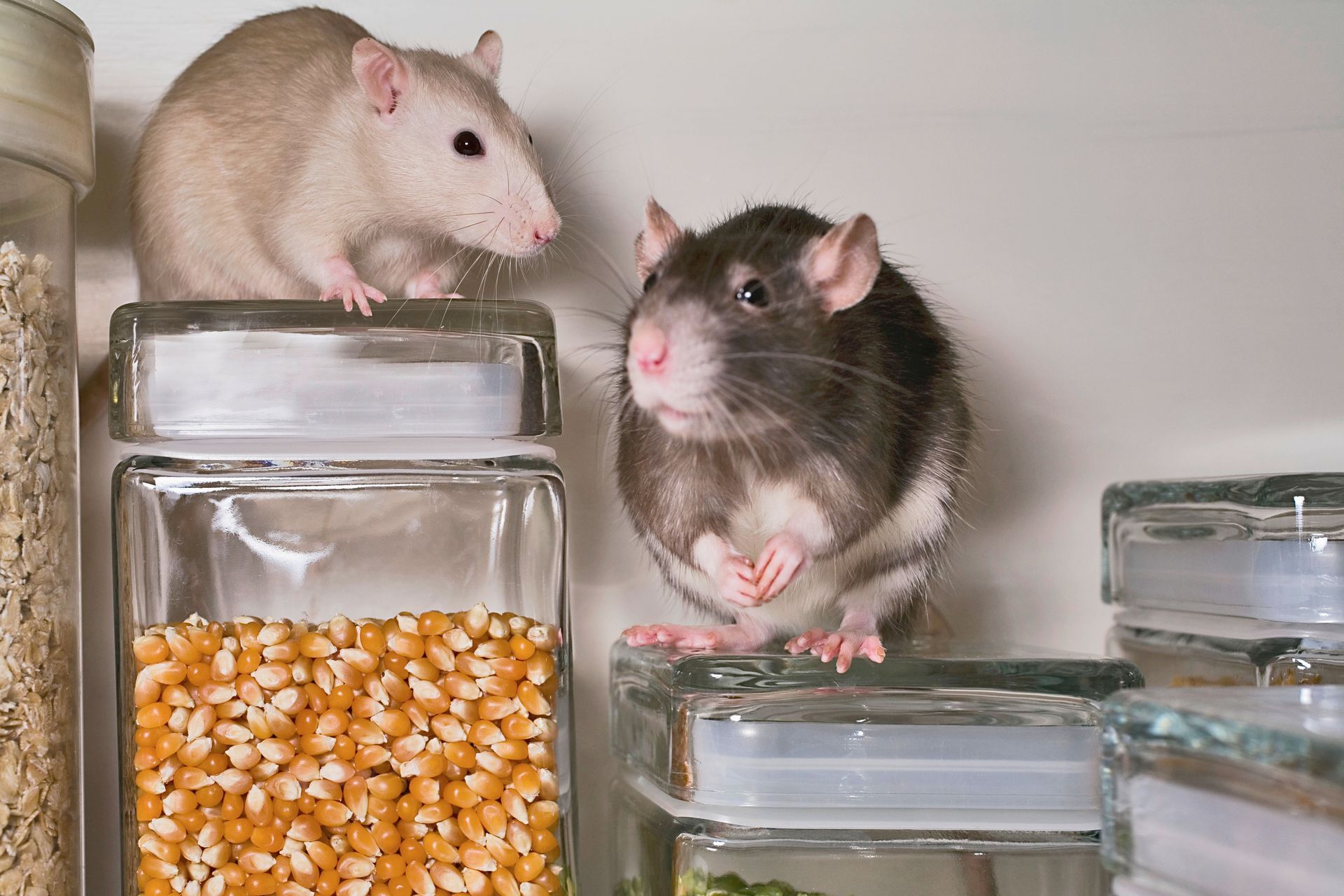
Leptospirosis is a bacterial disease that is commonly spread by rodents, raccoons, and squirrels through their urine. When wildlife invades a home, they leave behind urine trails on insulation, drywall, and kitchen countertops as they search for food. Humans can contract the illness through direct contact with this contaminated moisture or by touching surfaces where the bacteria live. The bacteria can survive for weeks in warm, humid areas inside your walls.
The bacteria enter the human body through small breaks in the skin or through the eyes, nose, and mouth. Early symptoms often feel like a common cold, including high fever, headaches, and muscle aches, but left untreated, it can cause kidney damage or liver failure. Pets are also highly vulnerable to the bacteria if they sniff or lick infected areas. Protecting your domestic animals from this hidden threat is just as crucial as protecting your human family members.
Scheduling timely wildlife removals is the best way to stop this invisible bacteria from spreading across your living spaces. Experts pinpoint the exact entry paths and nesting zones to eliminate the pests before they can soil your home. Getting rid of the animals fast prevents ongoing contamination and protects your household from getting sick. Removing the critters cuts off the continuous supply of bacteria at the source.
Stopping the Hidden Perils of Hantavirus
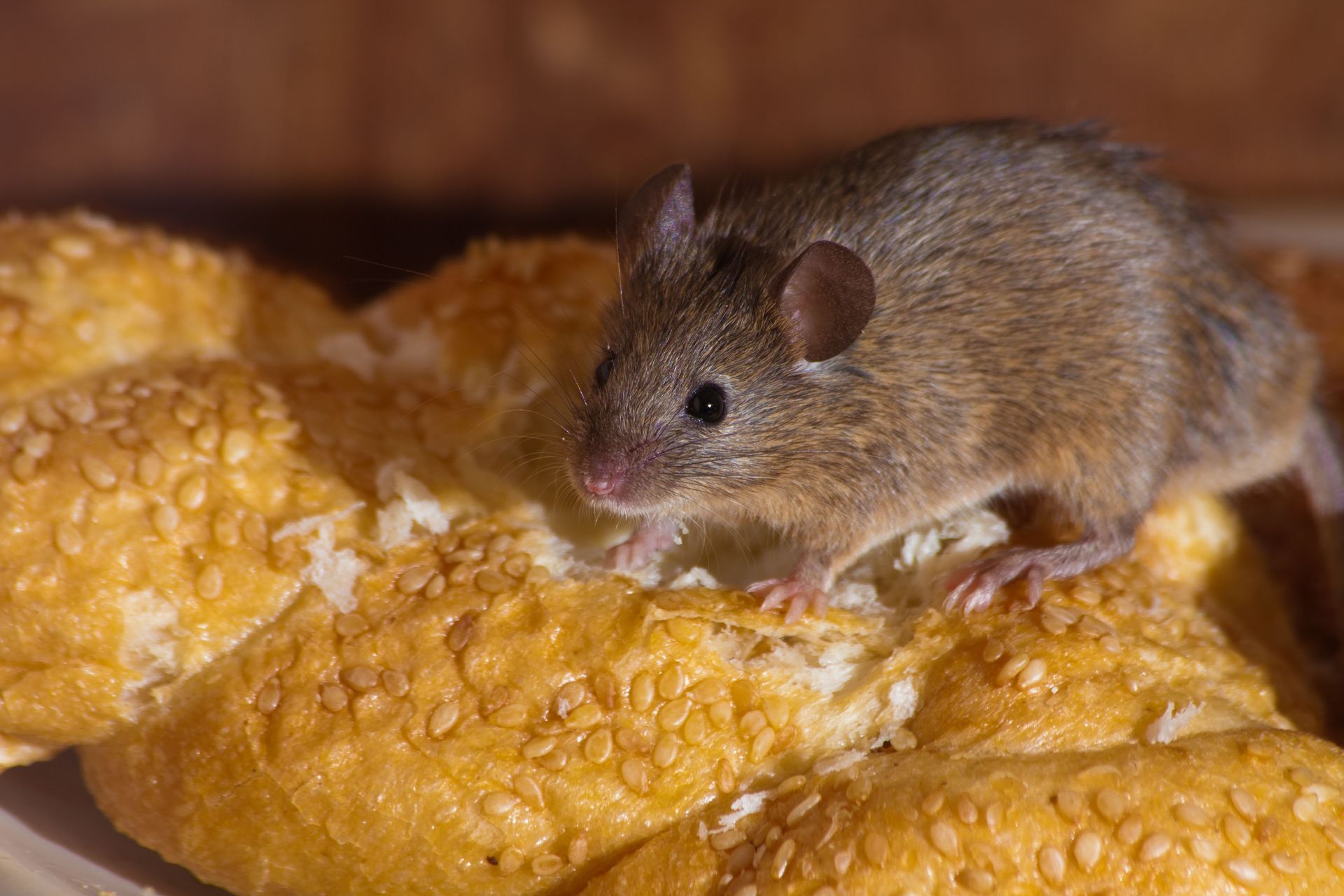
Hantavirus is a severe, sometimes life-threatening respiratory disease carried primarily by wild rodents like deer mice. The virus is shed in the urine, droppings, and saliva of infected mice and rats, creating a dangerous environment anywhere they nest. Because rodents reproduce so quickly, a small infestation can rapidly generate a massive amount of hazardous waste. A single pair of mice can turn into dozens in just a matter of weeks.
Much like histoplasmosis, hantavirus becomes airborne when rodent nesting materials or droppings are swept, vacuumed, or disturbed. Inhaling these airborne particles can lead to Hantavirus Pulmonary Syndrome, which starts with fatigue and muscle aches before progressing to severe shortness of breath. It is a fast-moving illness that requires immediate medical attention, making rodent prevention a top priority. Dealing with old nesting materials carelessly is often how people get exposed.
Relying on wildlife removals will stop the accumulation of these dangerous rodent fluids and droppings. Professionals use specific containment strategies to extract the rodents and deodorize the space safely without sending viral particles airborne. Taking action immediately helps keep your home's air supply completely safe to breathe. This structured intervention breaks the cycle of infestation and protects your property over time.
According to the World Wildlife Fund, there are more than 1,300 US species of wildlife currently listed as endangered or threatened, and animal populations globally have declined by 70% in the last half-century. While keeping our distance protects these fragile ecosystems outdoors, keeping them out of our homes protects our health. This balanced approach supports both global conservation efforts and local residential safety. Choose professional wildlife removals with Stateline Animal Control Inc will keep wild creatures in nature where they belong, keeping everyone safe and healthy.